.png&w=384&q=75)
In aesthetic cosmetology practice, individual non-invasive methods are often combined within a single treatment course. However, simply increasing the number of procedures does not necessarily improve the effectiveness of the overall program. More important considerations include the baseline condition of the skin and soft tissues, the specific function of each intervention, the sequence of procedures, and the ability to assess changes at intermediate stages. Microcurrent therapy, for example, is used in aesthetic correction programs as a low-intensity physical modality. Clinical data from a home-use device combining low-energy light, radiofrequency, microcurrents, and ultrasound demonstrated improvements in several skin parameters. However, because the device incorporated multiple modalities, the observed effects cannot be attributed exclusively to microcurrents [1]. Therefore, in the proposed program, microcurrent therapy is regarded as a supportive component of the treatment course.
Lymphatic drainage and contouring massage techniques serve a somewhat different functional role. A study of facial soft-tissue mobility confirms their spatial mobility and provides an anatomical basis for the changes observed after massage [2, с. 1057-1063]. At the same time, evidence supporting a sustained lifting effect from massage alone remains limited; therefore, massage is best regarded primarily as a means of addressing puffiness and tissue mobility and preparing the tissues for subsequent stages of the treatment course.
Home care is a continuous component of the program and provides conditions that cannot be maintained through in-office procedures alone. Its primary objectives are photoprotection, preservation of the skin barrier, adequate hydration, and targeted management of photoaging or pigmentation. Current literature identifies daily photoprotection and retinoids as key components of topical management of photoaging, with additional products selected according to the condition of the skin [3, с. 291-300].
The rationale for systematically structuring such treatment programs stems from differences in the functional roles and intensity of the methods employed. Microcurrent therapy, lymphatic drainage techniques, and home care primarily serve supportive and preparatory functions, whereas the inclusion of procedures involving controlled skin injury requires a different approach to treatment sequencing and subsequent recovery. In practice, it is therefore necessary to determine when to transition from the basic stage to a more intensive one, to consider actual changes in the condition of the skin and soft tissues, and to adjust the composition of the treatment course in a timely manner when effectiveness is insufficient or treatment tolerance decreases. Failure to make this distinction may result in the unjustified simultaneous use of different procedures without consideration of their specific functions. Accordingly, it is methodologically important to develop a sequential program in which treatment intensity is increased gradually and decisions regarding continuation or modification of the course are based on an interim assessment of the outcomes achieved.
The aim of this study is to develop principles for designing a combined facial aesthetic correction program that distinguishes the functional roles of microcurrent therapy, lymphatic drainage techniques, home care, and an additional intensive intervention.
The study materials comprised clinical studies and review articles on the use of physical modalities for aesthetic correction, facial massage, home care, microneedling, exosome-containing products, glutathione, and autologous regenerative technologies. The methods employed included analysis, comparison, and structural modeling, with the allocation of procedures according to their objectives and stages of the treatment course serving as the primary methodological principle.
The proposed program comprises three sequential stages: basic, intensive, and maintenance. Their functional components are presented in table.
Table
Functional structure of the combined facial aesthetic correction program
Component | Primary objective | Role in the program |
microcurrent therapy | support of functional tissue status | basic stage |
lymphatic drainage techniques | management of puffiness and soft-tissue condition | basic stage |
home care | skin barrier support, photoprotection, hydration, skin tone correction | throughout the treatment course |
microneedling | controlled skin injury and subsequent remodeling | intensive stage |
topical active agents | adjunct to targeted treatment | when indicated, following compatibility assessment |
The primary objective of the first, basic stage is to establish a stable functional state of the tissues before more intensive intervention; at this stage, lymphatic drainage techniques, microcurrent therapy, and an adjusted home care regimen are used in combination. The sequence is determined by the patient’s baseline condition; however, combining multiple procedures should not entail an unjustified increase in treatment intensity. This principle underlies the functional model of the combined facial aesthetic correction program (fig. 1).
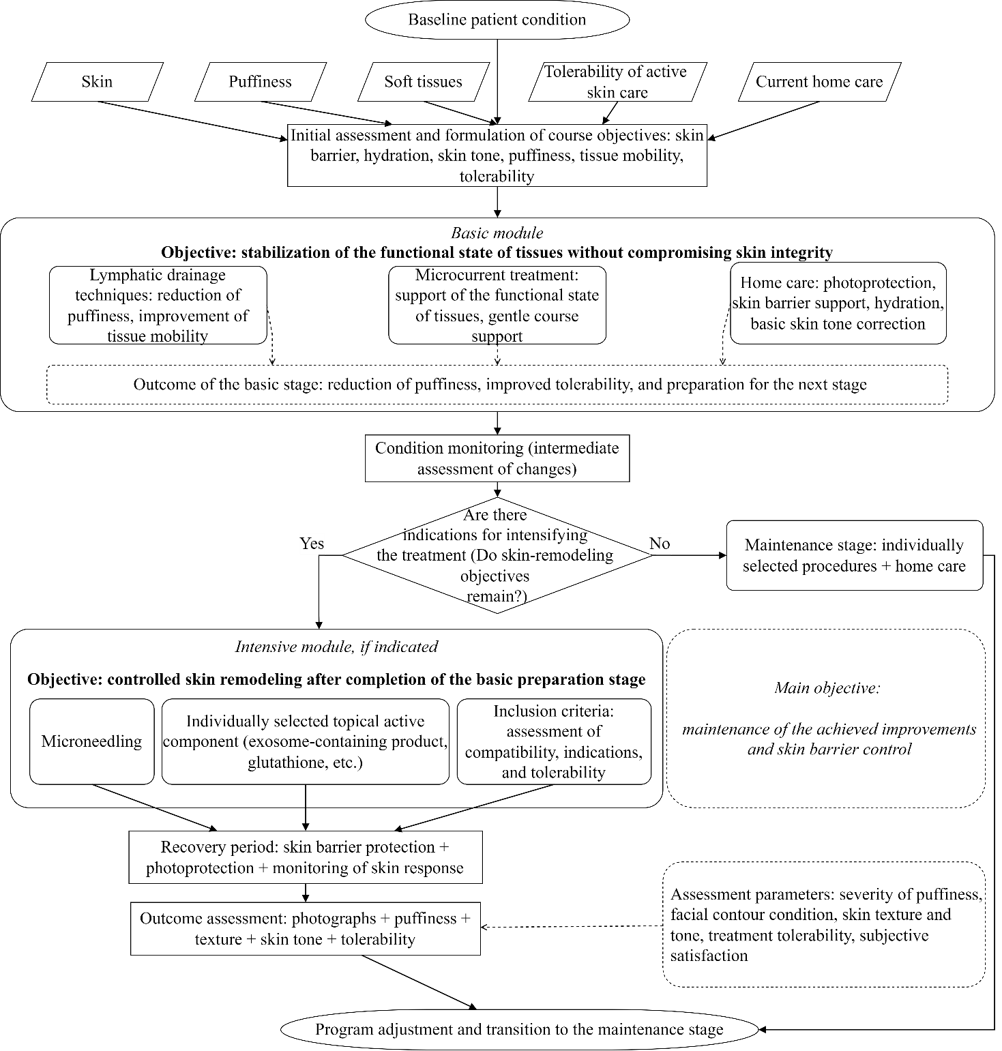
Fig. 1. Functional model of the combined facial aesthetic correction program
The intensive stage is proposed to center on microneedling. The controlled skin injury involved in microneedling fundamentally distinguishes this stage from the basic stage, as the procedure requires a subsequent recovery period and particular attention to the topical products used. Exosome-containing products represent a promising adjunct. In a prospective, randomized, split-face study, the application of an exosome-containing solution following microneedling resulted in greater improvements in wrinkles, elasticity, hydration, and pigmentation compared with the control side of the face, where microneedling was performed with saline solution [4, с. 3418-3426]. At the same time, a 2024 systematic review found that the evidence for topical exosome therapies is still based on a limited number of clinical studies and emphasized the need for further research on safety and efficacy [5]. Exosomes can therefore reasonably be regarded as a promising adjunctive component, but should not be assumed to provide a guaranteed enhancement of treatment outcomes.
Glutathione serves a somewhat different functional purpose; a 2019 systematic review found that topical 2.0% oxidized glutathione may reduce the melanin index in sun-exposed skin, while the overall evidence remained inconclusive because of limited and heterogeneous clinical data [6, с. 728-737]. Its inclusion is therefore appropriate when targeted correction of skin tone is indicated.
B vitamins should likewise not be included in the intensive stage immediately after microneedling. The choice of a specific active agent should be determined by the product formulation, the approved route of administration, the condition of the skin barrier, and the evidence supporting the corresponding delivery method.
A separate consideration concerns PRP and exosomes. A 2024 narrative review describes both approaches as promising regenerative options in aesthetic medicine, while emphasizing the absence of universally accepted protocols and the difficulty of attributing outcomes to a specific component when regenerative products are combined with other procedures [7]. Accordingly, available evidence does not justify assuming either additional synergy or consistent superiority of one approach over another.
Thus, the proposed approach involves a gradual increase in treatment intensity rather than the simultaneous combination of multiple methods. Accordingly, each subsequent stage is initiated after the outcome of the preceding stage has been assessed (fig. 2):
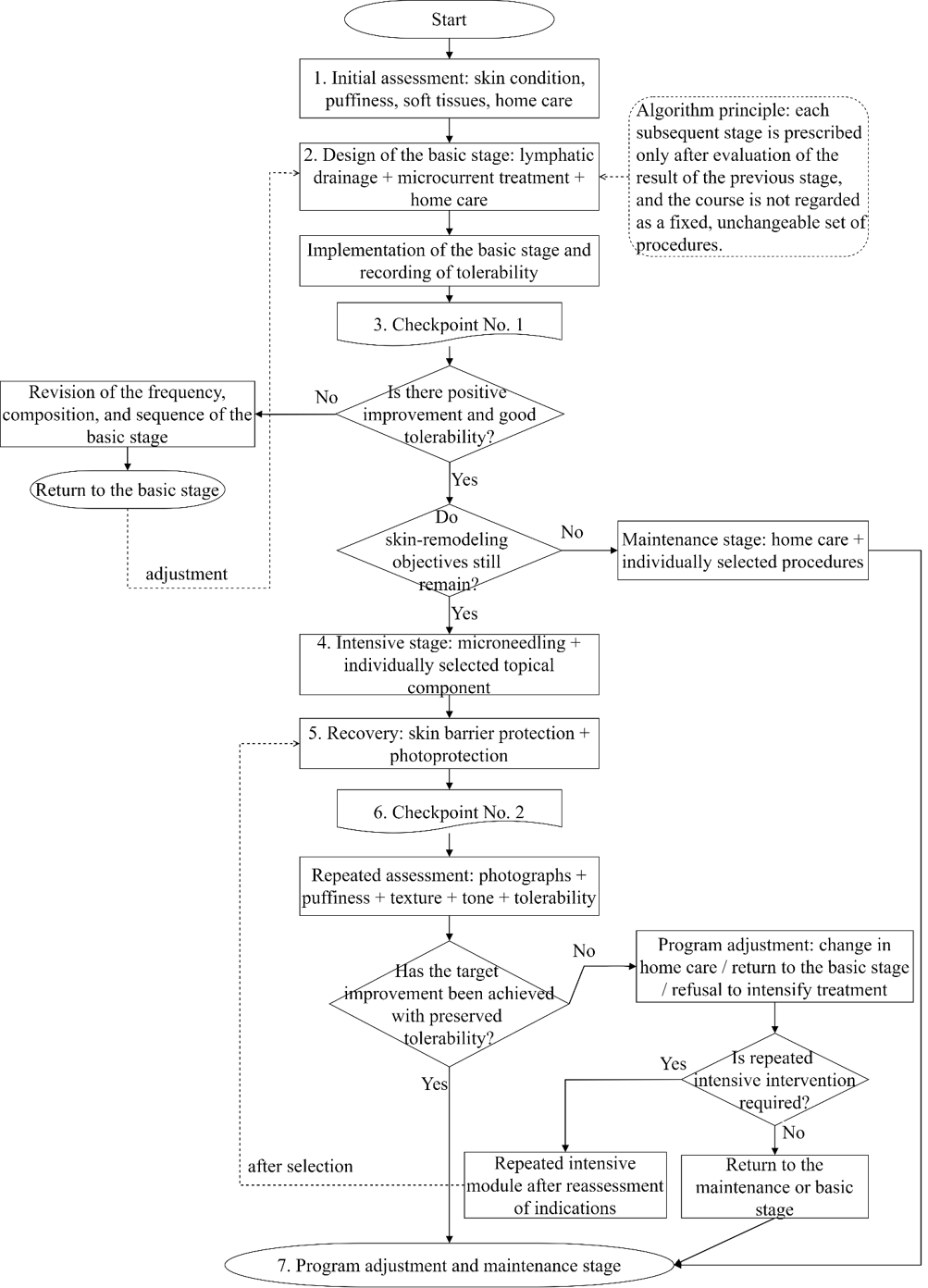
Fig. 2. Algorithm for developing and adjusting the treatment program
The introduction of assessment checkpoints makes it possible to avoid a predetermined, fixed treatment course. The first checkpoint is conducted after the basic stage to determine whether a further increase in treatment intensity is necessary, while the second is conducted after skin recovery to assess the overall outcome.
The intervals between procedures should not be standardized across all patients, as they depend on the equipment used, microneedling depth, products applied, skin condition, and manufacturers’ recommendations. This principle is particularly important when combining procedures that differ in the extent of tissue injury they induce.
The effectiveness of the program is proposed to be assessed using standardized photography performed before the start of the treatment course and at the assessment checkpoints. Additional parameters recorded include the degree of puffiness, facial contour, skin texture, evenness of skin tone, the presence of post-inflammatory spots, treatment tolerance, and subjective satisfaction. Where diagnostic equipment is available, measures of hydration, elasticity, and pigmentation are also assessed.
Ultimately, the proposed approach allows changes to be assessed according to the specific objectives for which each program component was included. The lymphatic drainage component is evaluated primarily in terms of changes in puffiness and soft-tissue condition, home care in terms of skin barrier status and visual skin characteristics, and the intensive stage in terms of changes in texture, tone, and other targeted features. Importantly, the proposed program is conceptual and methodological in nature; further evaluation will be based on observation of a patient cohort using uniform baseline assessment criteria, documentation of the procedures actually performed, and standardized assessment checkpoints.
Thus, combined facial aesthetic correction should be based primarily on the functional differentiation of methods and a sequential increase in treatment intensity. The basic stage combines microcurrent therapy, lymphatic drainage techniques, and home care. Microneedling constitutes a separate intensive module. Exosome-containing products may be considered a promising adjunct to microneedling; however, the current evidence base does not support their universal application. Glutathione has a primarily targeted role in the correction of pigmentation and skin tone. The inclusion of assessment checkpoints allows the program to be adjusted on the basis of observed changes, consistent with current approaches to designing effective facial aesthetic correction programs.
.png&w=640&q=75)