.png&w=384&q=75)
1. Introduction
Educational institutions increasingly operate in complex socio-economic environments characterized by policy reforms, digital transformation, and performance accountability. In such conditions, school leadership cannot be limited to administrative coordination; it becomes a strategic process aimed at developing human capital and organizational capacity.
Contemporary research emphasizes that teacher quality remains one of the strongest school-based predictors of student achievement [1]. Therefore, leadership strategies that enhance teacher professional competence represent a core institutional priority.
Organizational behavior theory provides analytical tools for understanding how motivation, communication patterns, and institutional culture influence staff performance. When leadership and HRM practices are aligned, institutions demonstrate higher adaptability and internal cohesion.
The purpose of this study is to conceptualize teacher development as an outcome of effective school leadership and strategic human resource management.
2. Conceptualizing School Leadership in Modern Education
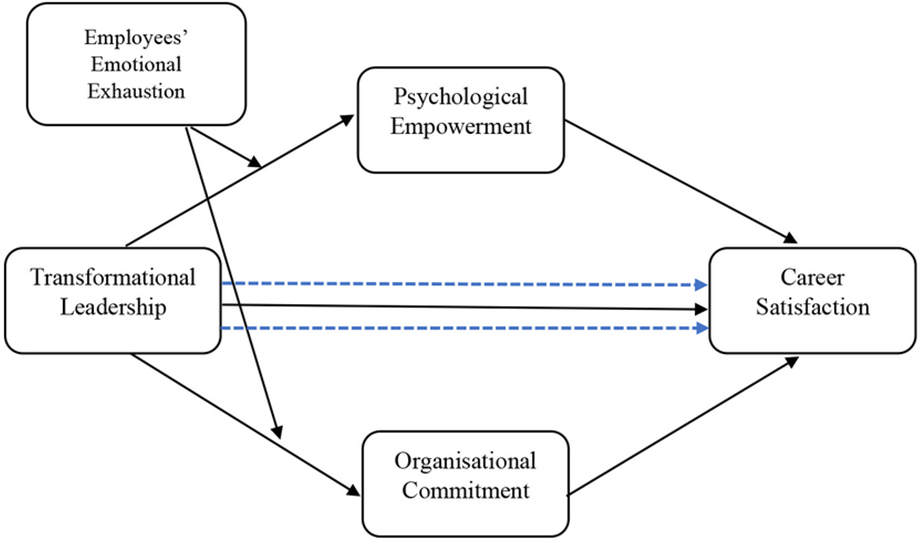
Fig. 1. Contemporary Models of School Leadership in Modern Education
2.1. Evolution of Leadership Paradigms in Education
School leadership has undergone a significant transformation over the past decades. Traditional educational administration was primarily bureaucratic, emphasizing compliance, hierarchical control, and procedural stability. In this model, school principals functioned mainly as coordinators of regulations and supervisors of operational tasks.
However, contemporary educational environments require adaptive and strategic leadership. Transformational leadership theory introduced a shift from managerial control toward inspirational influence. According to Burns and subsequent scholars, transformational leaders articulate a shared vision, stimulate intellectual engagement, and provide individualized support to staff members [2]. Within educational institutions, this leadership style encourages teachers to experiment with innovative pedagogical approaches and to engage in reflective professional practice.
Unlike bureaucratic models that prioritize procedural consistency, transformational leadership promotes intrinsic motivation and collective commitment. By fostering trust and professional dialogue, leaders create conditions for sustained teacher development and institutional learning.
2.2. Instructional Leadership and Academic Effectiveness
While transformational leadership focuses on vision and motivation, instructional leadership emphasizes direct engagement with teaching and learning processes. This model highlights the leader’s responsibility for curriculum supervision, pedagogical monitoring, and academic performance standards [3].
Instructional leaders actively participate in instructional planning, classroom observation, and feedback systems. Their primary objective is to improve student learning outcomes through systematic support of teachers’ instructional practices.
Research by Leithwood et al. demonstrates that leadership influences student achievement indirectly rather than through direct classroom intervention [4, p. 27-42]. Leadership shapes the professional environment by establishing expectations, providing resources, and maintaining a culture of academic excellence. In this sense, leadership operates as a structural determinant of organizational behavior, influencing teacher morale, collaboration, and commitment.
Therefore, instructional leadership complements transformational leadership by ensuring that strategic vision is translated into measurable educational outcomes.
2.3. Distributed Leadership and Collaborative Governance
Modern educational institutions increasingly adopt distributed leadership models. Rather than concentrating authority in a single individual, leadership responsibilities are shared among administrators, department heads, and teacher leaders [5].
Distributed leadership reflects the complexity of contemporary educational systems. Schools function as professional communities in which collective expertise contributes to institutional effectiveness. By delegating decision-making authority and encouraging participatory governance, leaders enhance teacher autonomy and professional accountability.
This approach strengthens organizational behavior mechanisms such as collaboration, peer learning, and shared responsibility. When teachers are involved in decision-making processes, they demonstrate higher levels of engagement and ownership over institutional outcomes.
Moreover, distributed leadership supports sustainable institutional development by building internal leadership capacity. It reduces dependence on individual leaders and promotes organizational resilience during periods of transition or reform.
3. Organizational Behavior and Teacher Motivation
Organizational behavior in schools involves patterns of interaction, communication, and institutional norms. Teacher motivation is influenced by intrinsic and extrinsic factors.
Self-Determination Theory suggests that autonomy, competence, and relatedness are essential psychological needs [6, p. 227-268]. When leadership practices support these needs, teachers demonstrate higher engagement and professional commitment.
Institutional culture also shapes behavior. Schein defines organizational culture as a system of shared assumptions that guide internal functioning [7]. Schools with supportive cultures experience lower burnout rates and higher collaboration.
Performance appraisal systems significantly affect teacher attitudes. Development-oriented evaluation models encourage professional growth rather than compliance [8].
Therefore, leadership decisions structure the behavioral environment within which teachers operate.
4. Strategic Human Resource Management in Education
Strategic HRM aligns personnel policies with institutional mission and long-term objectives. In educational settings, HRM includes recruitment, induction, professional training, performance management, and retention strategies.
Armstrong defines HRM as a strategic and coherent approach to managing people who individually and collectively contribute to organizational goals [9].
Effective recruitment emphasizes pedagogical competence and collaborative skills. Continuous professional development programs improve instructional quality [10].
Mentoring systems facilitate adaptation of new teachers and reduce turnover. Research indicates that structured mentoring significantly improves teacher retention rates [11, p .201-233].
Reward systems must balance financial incentives and professional recognition. Non-monetary recognition often has a stronger motivational impact in educational contexts.
Strategic HRM transforms schools into learning organizations capable of continuous improvement.
Table
Strategic HRM Elements Supporting Teacher Development
HRM Component | Strategic Purpose | Impact on Institutional Effectiveness |
Strategic Recruitment | Attract high-quality educators | Strengthens academic standards |
Continuous Professional Training | Develop competencies and innovation | Enhances teaching performance |
Development-Oriented Evaluation | Provide constructive feedback | Supports long-term professional growth |
Mentoring and Coaching Programs | Facilitate early-career adaptation | Reduces turnover and increases stability |
Recognition and Reward Systems | Improve motivation and engagement | Builds institutional loyalty and trust |
5. Integrative Framework: Leadership–Behavior–HRM Nexus
The interdependence between leadership, organizational behavior, and HRM can be conceptualized as a systemic model.
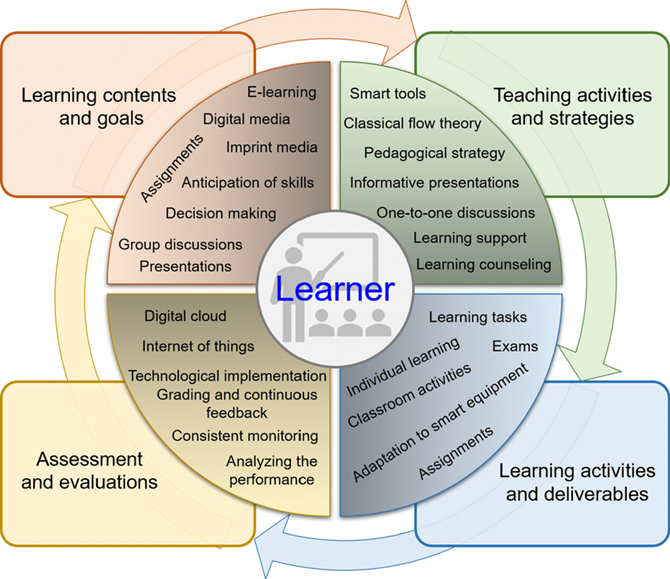
Fig. 2. Integrated Model of School Leadership, Organizational Behavior, and Strategic HRM
6. Emerging Challenges and Future Perspectives
Educational institutions face digital transformation, generational diversity, and accountability pressures. Leaders must combine emotional intelligence with data-driven HR analytics.
Digital professional development platforms allow continuous teacher training. Evidence-based HRM supports informed decision-making.
Future school leadership will require strategic foresight, cultural sensitivity, and human-centered management practices.
Conclusion
School leadership significantly influences teacher development through organizational behavior mechanisms and strategic HRM practices. Transformational and instructional leadership models enhance professional motivation and institutional culture. Organizational behavior theory explains how internal dynamics shape performance outcomes. Strategic HRM ensures systematic investment in human capital. The integration of these elements strengthens institutional resilience and long-term educational effectiveness. Sustainable educational reform depends on leadership capacity to develop teachers as strategic assets.
.png&w=640&q=75)